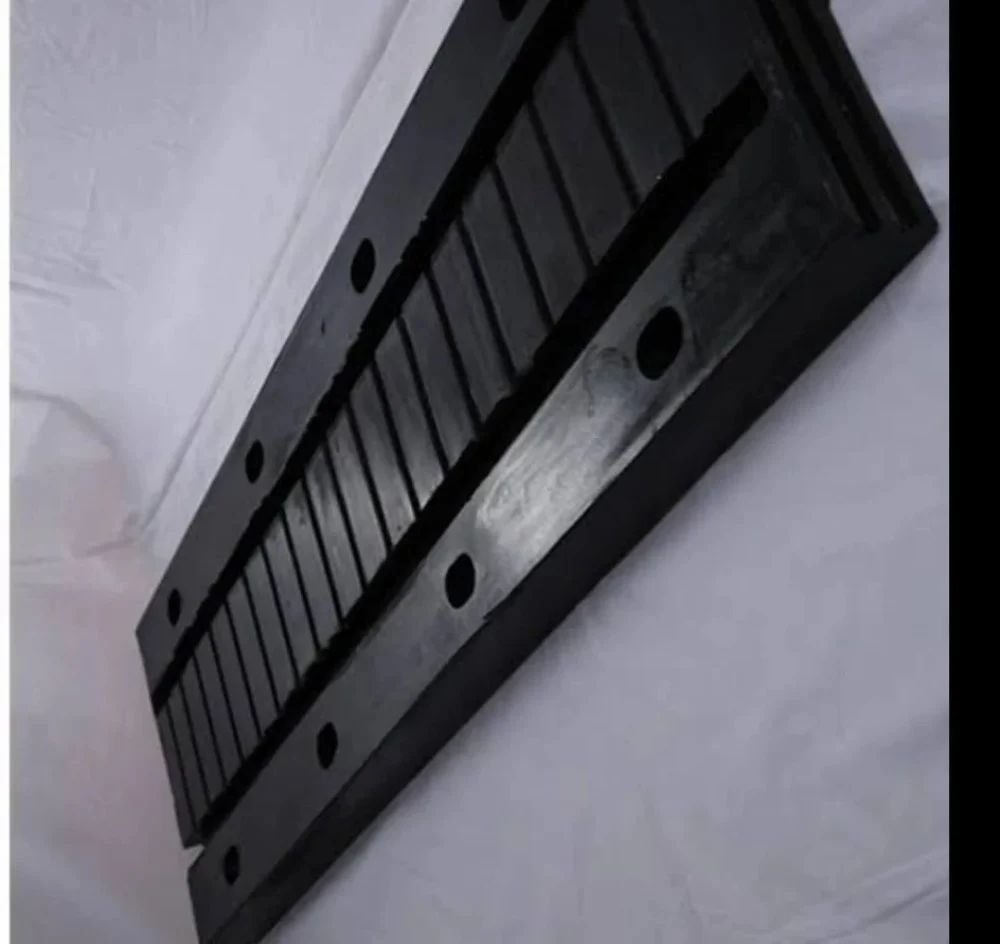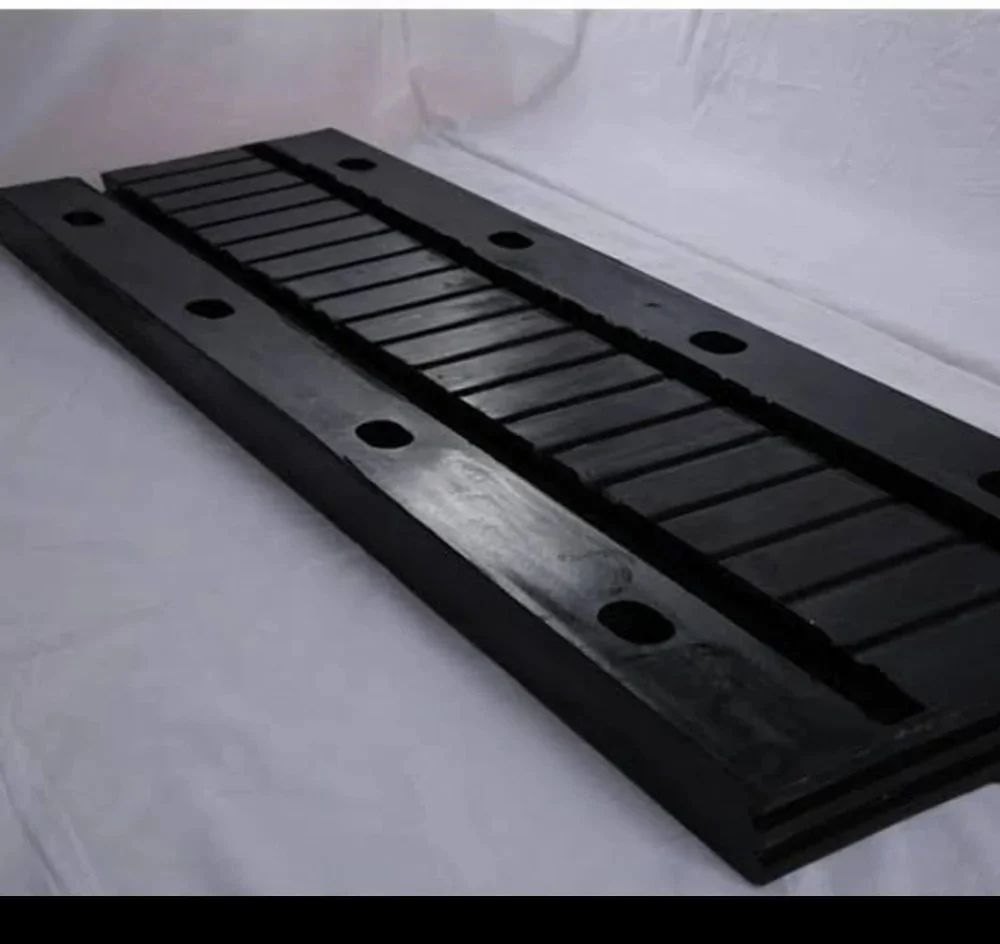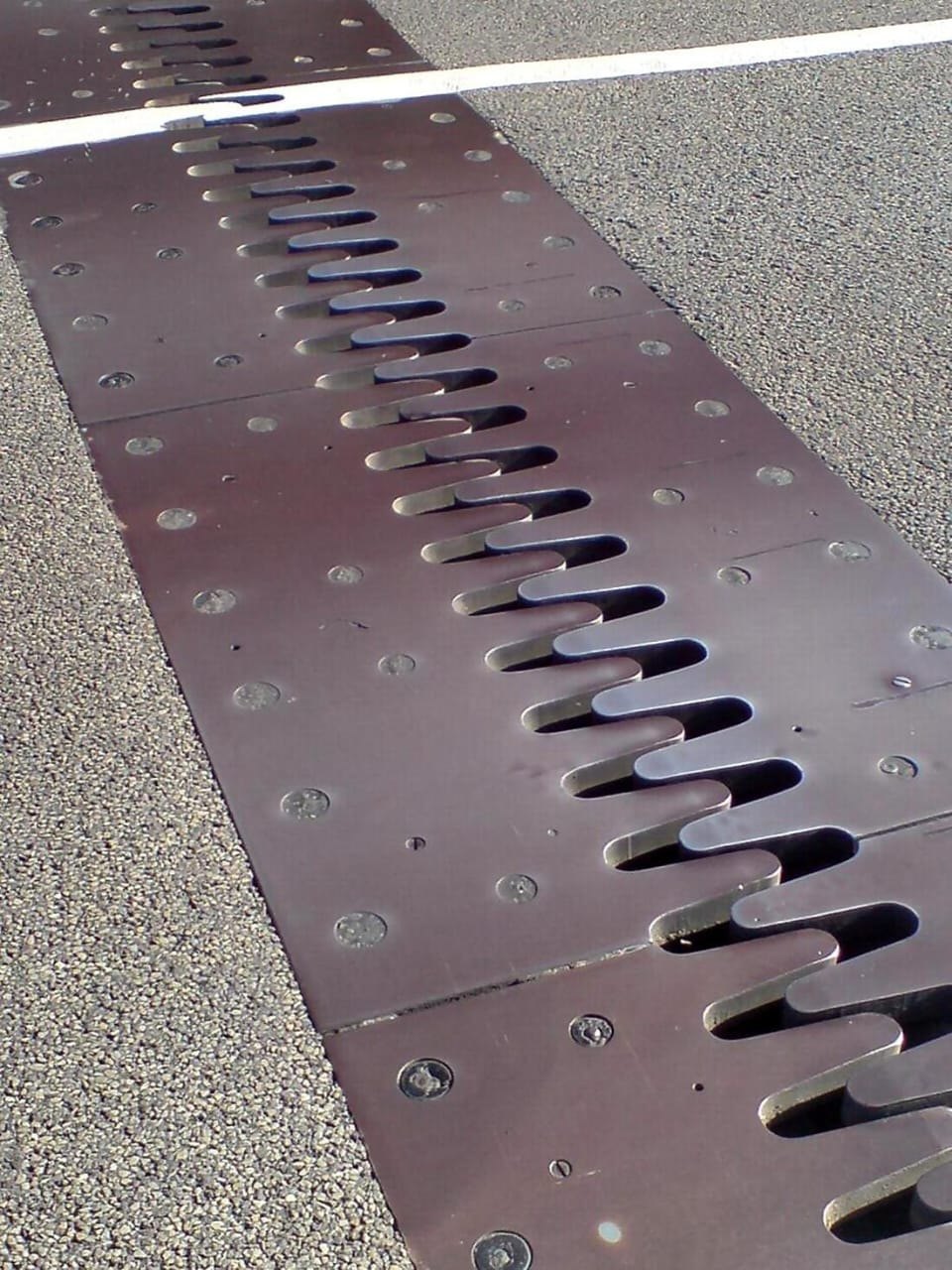
A Finger Type Expansion Joint is a type of structural expansion joint designed to accommodate large longitudinal movements in bridges, flyovers, or other heavy-duty structures. It is named for its interlocking “finger” or “tooth” pattern, which allows for controlled expansion and contraction while maintaining a smooth riding surface.
Key Features:
Design: Consists of steel or aluminum plates with finger-like projections that interlock with a matching plate on the adjacent structure.
Material: Typically made of heavy-duty galvanized steel or stainless steel for durability and corrosion resistance.
Movement Capability: Allows large movements (typically up to several hundred millimeters), especially thermal expansion/contraction.
Load Bearing: Designed to withstand high loads from vehicles and dynamic forces.
Functionality:
Seamless Movement: The fingers slide over one another as the structure expands or contracts, preventing gaps or uneven surfaces.
Noise Reduction: Often fitted with elastomeric or rubber sealing elements to reduce noise and prevent debris/water ingress.
Drainage: Some designs incorporate drainage systems to channel water away from the joint area.
Applications:
Bridges and viaducts
Highway overpasses
Industrial structures with significant movement
Parking decks and seismic areas